Therapies

Music-led listening therapy begins by understanding the child, not by imposing a protocol.

Families often arrive tired, uncertain, and overloaded with information. This page is here to explain, step by step, how the listening assessment, therapy phases, rest periods, and later adjustments are organized around the child and family.

Therapist guiding a child through a calm pediatric neurodevelopment session.
Our process

How we work: a music-led listening pathway guided with care and clinical attention.

Families need to know what will happen, why it is being proposed, and how their child will be accompanied from one phase to the next.

Listening-based therapy starts from a simple but important distinction: hearing is not always the same as listening. A child may hear sound, yet still struggle to organize it, stay available to it, or use it comfortably for communication, regulation, posture, balance, attention, and learning.

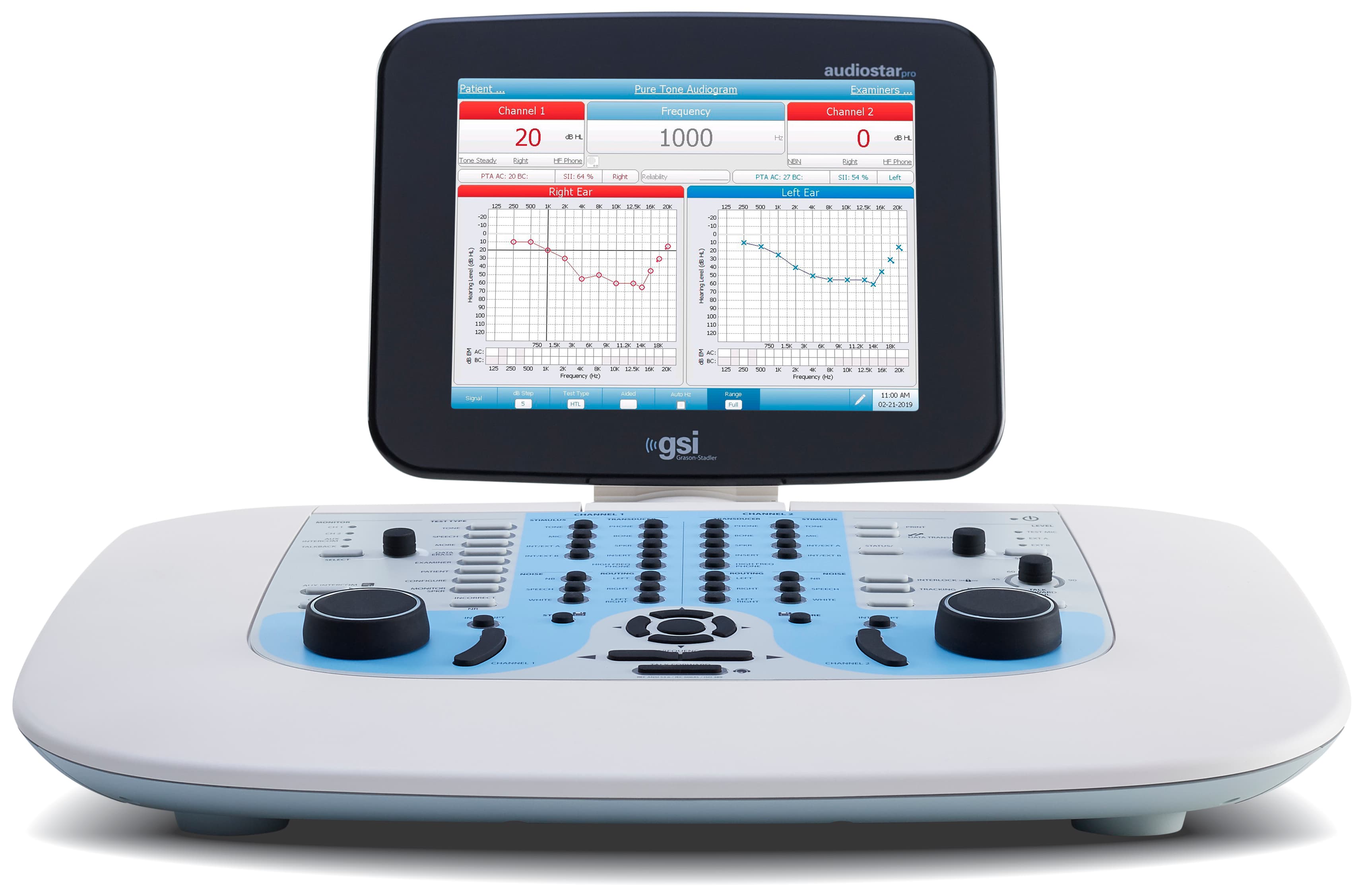
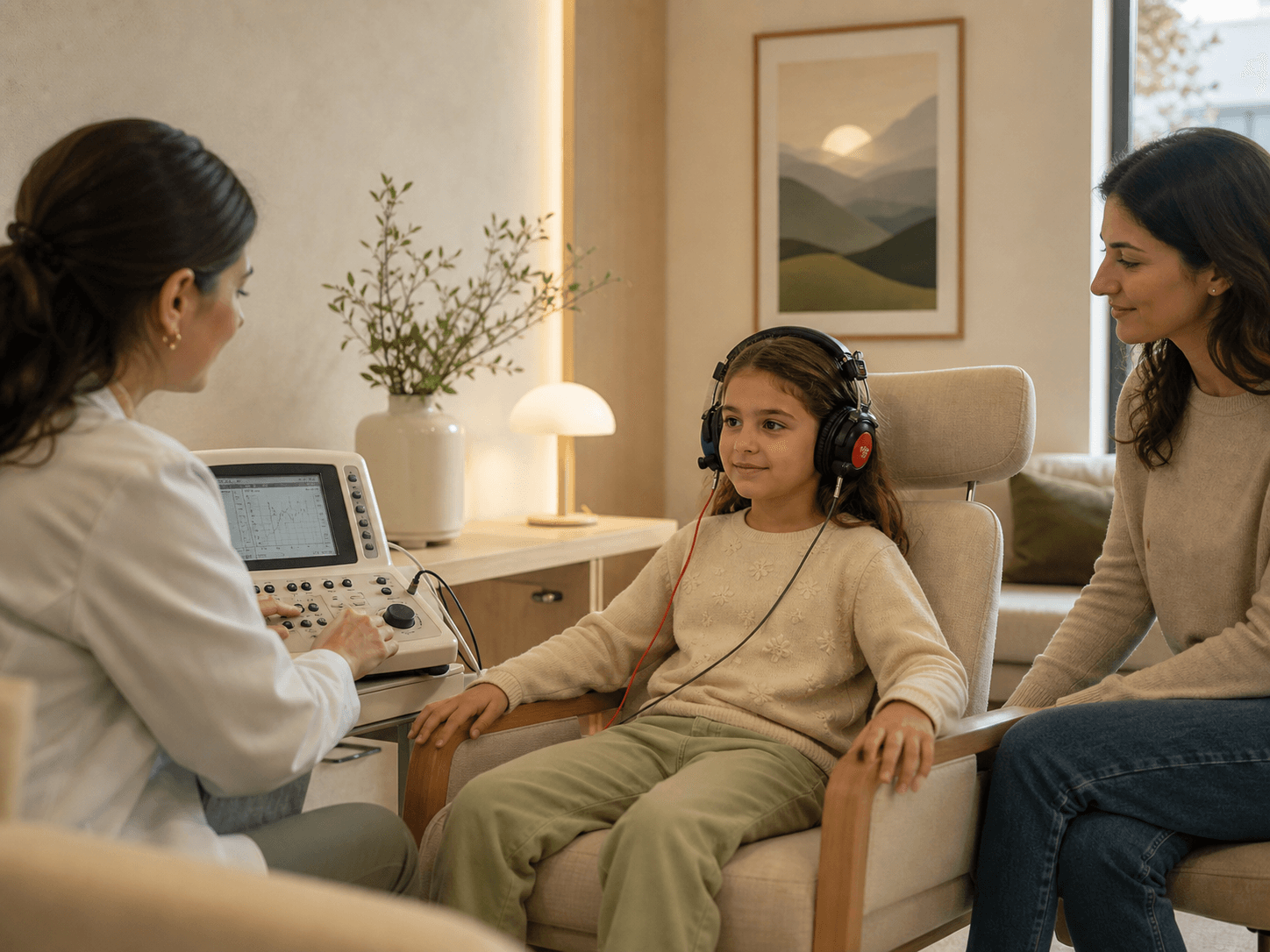
The first step is therefore a psychological listening test carried out with an audiometer calibrated for this type of auditory stimulation. Using headphones with air and bone conduction, the team observes how the child seems to receive the outside world and how sound may be registered more internally. In the traditional reading of this test, air conduction reflects outward listening and bone conduction reflects inward perception. The team does not use this as a label, but as one element to understand neurological, psychological, educational, and physiological particularities more carefully.

These findings are then read together with developmental history, family concerns, school life, prior therapies, and the child’s wider medical context. From there, an individualized therapy program is designed and discussed in detail with the family. The program often aims to revisit early stages of auditory development, because listening difficulties are frequently rooted in these foundational phases.

When therapy begins, the child listens through a dedicated electronic system to carefully prepared sound material. This may include filtered and unfiltered passages of music such as Mozart, Gregorian chant, structured vocal material, and, when clinically appropriate, highly filtered parent-related voice work. The sound is modified so that high and low frequencies are alternately emphasized and softened, creating an active training of listening rather than passive exposure.

In this approach, higher frequencies are associated with activation of the auditory pathway, while lower frequencies are linked more closely to vestibular organization. By varying relaxation and activation irregularly, the work aims to support new patterns of neural coordination while strengthening existing ones. The therapeutic aims may include listening processing, perception, motor support, concentration, spoken expression, self-awareness, behavior, energy, vegetative balance, recovery, residual hearing use, and readiness for foreign-language learning when that question is relevant for the child.

Within the Tomatis theoretical framework, one part of the passive phase progressively reduces the lower frequencies in order to move toward a prenatal model of listening centered more strongly on the high frequencies of the mother’s voice. This stage is sometimes described as a sonic return. It can temporarily be accompanied by emotional or regressive responses, which are observed carefully inside the therapeutic setting.

A later stage gradually brings the lower frequencies back until the full sound spectrum is present again. In this clinical tradition, this transition is sometimes described as sonic birth and marks the end of the passive phase. Therapy can then become more active through reading into a microphone, repeating words or sentences, singing, and, when needed, speech-language or fine-motor support.
A protected rhythm

Intensive work is always balanced with calm, pauses, and observation.

Listening therapy is not meant to keep a child under constant pressure. Intensive phases are paired with protected pauses so the child can settle, the family can breathe, and the team can notice whether new ways of listening, communicating, and regulating are beginning to take shape.

Psychological listening test with a child, clinician, and parent in a calm premium pediatric room.
The phases

Relearning to listen happens step by step.

Each phase is adapted to the child’s needs and response. A first stay usually lasts at least 14 days, and later phases are separated by rest periods of 6 to 12 weeks so the work can be reviewed and integrated.

1. First consultation, listening test, and individual program

The pathway opens with the first meeting, the psychological listening test, the developmental history, and the design of an individualized therapy program. This first stage gives the team and the family a shared starting point.

2. First intensive listening phase

The first stay usually lasts at least 14 days. During this phase, the child typically follows three sessions of 1 hour 30 minutes per day, or nine blocks of 30 minutes, inside a calm and structured therapeutic rhythm.

3. Rest period, new test, and second phase

After a new listening test and consultation, a rest period of 6 to 12 weeks follows. The second phase then usually lasts 4 to 7 days, again at a rhythm of three sessions of 1 hour 30 minutes per day.

4. Another pause, third phase, and renewed review

Another test and consultation help guide the next step. After a further 6 to 12 week rest period, a third listening phase of 4 to 7 days may be introduced, followed again by review and planning.

5. Additional sessions according to individual progress

Further sessions may be proposed according to personal progress, the child’s tolerance, the way changes are integrating, and the priorities that remain most important for the family.

Who it may help

This pathway can be relevant in many situations, but always with realism and care.

Listening-based work has been used across a broad range of situations. What matters is not sounding promising on paper, but deciding honestly whether it fits this child, at this moment, with realistic goals.

Clinical honesty

The question is not whether the possibilities sound endless, but whether this pathway fits this person.

The broader listening-based tradition has reported positive effects in many different profiles. Neuravis remains first and foremost a pediatric institute, but it is useful for families to understand the range of indications historically associated with this work. Every case still needs a real conversation about priorities, limits, and realistic goals.

Group 1

Children

This is the main focus of Neuravis. The listening pathway may be considered when difficulties involve development, sensory organization, regulation, language, learning, posture, or participation in daily life.

  • Developmental delay affecting language, motor organization, or psychological maturation
  • Premature birth and its developmental consequences
  • School and learning difficulties, including reading, spelling, dyslexia, dyscalculia, concentration, language, and oral expression
  • Behavioral or emotional difficulties such as withdrawal, anxiety, weak self-awareness, agitation, hyperactivity, attention difficulties, aggressiveness, frustration intolerance, low motivation, or hypersensitivity
  • Vestibular difficulties involving balance, coordination, body image, gross or fine motor skills, and posture
  • Integration difficulties after adoption, divorce, or trauma
  • Complex developmental or genetic syndromes such as Down syndrome, West syndrome, Prader-Willi syndrome, Angelman syndrome, and related profiles
  • Brain injury linked to birth complications, accidents, falls, or other events
  • Support for foreign-language integration when listening and language organization are part of the question
  • Autism spectrum presentations and Asperger-related profiles

Group 2

Adults

Within the broader listening-based clinical tradition, adults have also sought support for auditory, psychosomatic, vestibular, voice, trauma-related, and rehabilitation-related concerns. In Neuravis’s context, these profiles would be reviewed selectively and never presented as a routine offer equivalent to pediatric care.

  • Auditory perception and communication difficulties
  • Psychosomatic complaints
  • Sleep disorders and relaxation difficulties
  • Back pain when broader regulation or postural questions are part of the picture
  • Balance disorders such as Meniere-related difficulties
  • Exhaustion or burnout with loss of energy
  • Rehabilitation after sudden hearing loss, tinnitus, or stroke
  • Memory difficulties
  • Hyperacusis and broader hypersensitivity patterns
  • Attention and concentration difficulties
  • Voice-related work, including intonation and expressive capacity
  • Low self-esteem or fragile sense of self
  • Trauma-related support
  • Eating disorders such as anorexia or bulimia
  • Depression
  • Persistent post-COVID symptoms
  • Neurodegenerative conditions
  • Autism spectrum and Asperger-related profiles
  • Post-cancer recovery support
  • Learning a new language

Group 3

Older adults

For older adults, the broader clinical literature around listening therapy has often focused on vitality, residual hearing, balance, and higher-order cognitive support. These situations also require realistic discussion and careful case selection.

  • Low energy and revitalization needs
  • Optimization and stabilization of residual hearing
  • Support for balance
  • Support for memory, dementia-related functioning, and higher mental processes
  • Persistent post-COVID symptoms

Important positioning

Children remain the primary focus of the institute. Adult and older-adult indications are included here because they belong to the broader clinical tradition from which this approach emerges. In practice, such situations would be reviewed selectively, referred through partners, or discussed only when they fit the institute’s real scope of care.

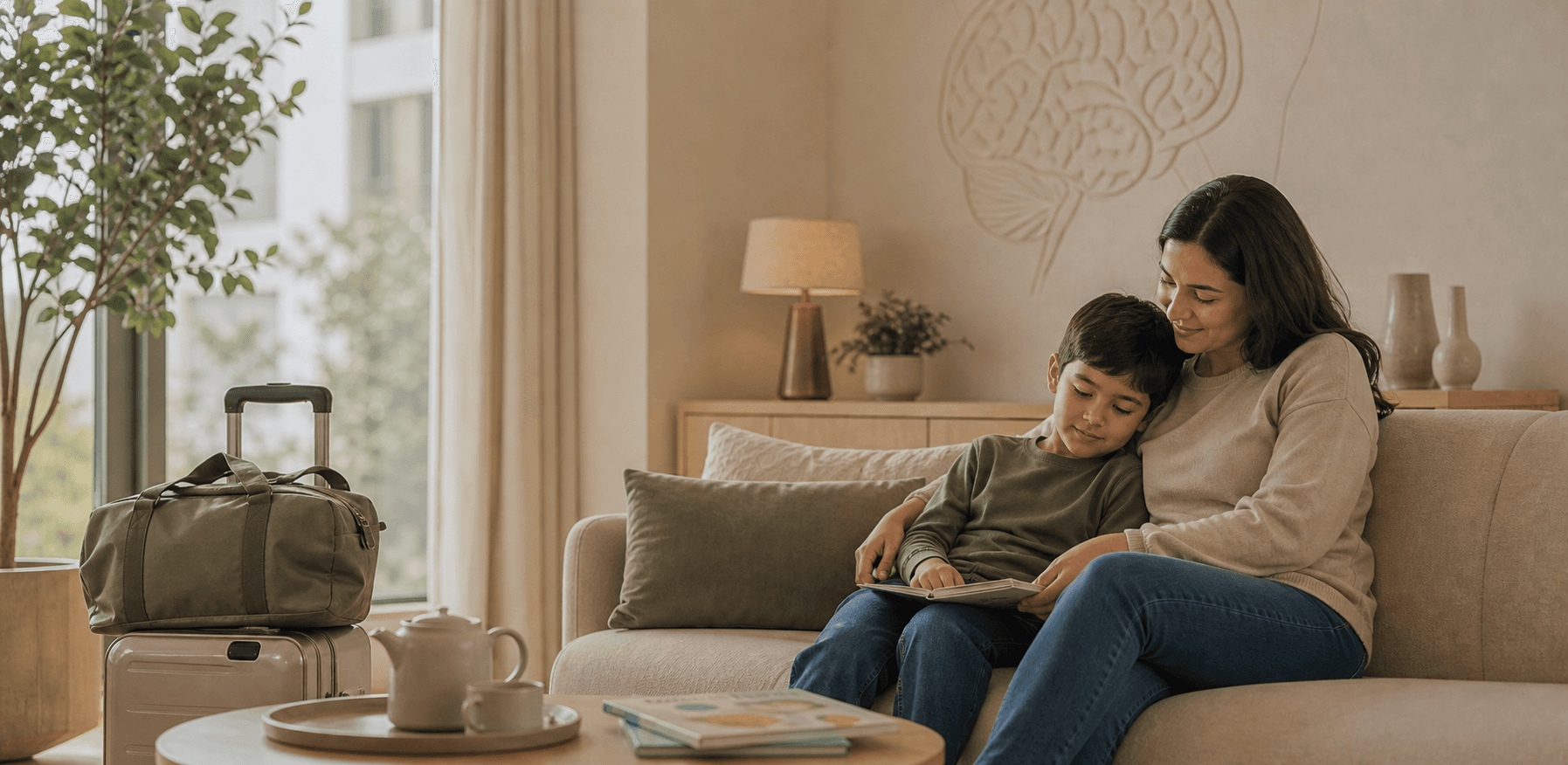
Parent and child resting together in a calm family-centered care lounge.
Listening test

Everything begins with a listening test and a real conversation.

The listening test helps the team look beyond hearing alone and better understand how sound is received, organized, and used in daily life. It is always read alongside the child’s history, daily functioning, and the family’s concerns.

Clinical purpose

The purpose is not to classify the child, but to understand how everyday listening is working.

At Neuravis, the listening test is used first and foremost to understand the child’s current listening profile. It is read together with developmental history, anamnestic information, and the specific difficulties raised by the family. Follow-up listening tests then help measure progress and adapt the program to the child’s evolving way of receiving and organizing sound.

What the test measures directly

The listening test gathers several parameters that help the team understand how auditory perception is organized.

  • Air-conduction hearing threshold
  • Bone-conduction hearing threshold
  • Air- and bone-conduction listening errors
  • Ability to distinguish pitch, often described as selectivity
  • Auditory laterality

What it may reveal in daily life

The test is used as a base structure for understanding communication and everyday functioning.

  • Motor organization and balance
  • Behavioral patterns such as withdrawal, fear, weak self-awareness, agitation, aggression, discomfort, or disequilibrium
  • Analytical listening capacity
  • Language processing
  • Concentration strengths or difficulties
  • Tendency toward fatigue or excitation
  • Tendency toward depressed mood or dynamism

How the program is built and adapted

The individual listening program is designed from the test, the developmental history, and the person’s specific difficulties.

  • The initial program is discussed carefully with the family before therapy begins
  • Listening training aims to improve the areas identified as most relevant for the child
  • Follow-up listening tests are used to observe progress over time
  • The program is adjusted according to the child’s changing listening profile

How the ideal curve is traditionally described

In the Tomatis framework, an ideal listening curve has several recognizable features.

  • A continuously rising gradient of 6 decibels per octave from 125 to 3000-4000 Hertz
  • A plateau before a slight drop at the end of the curve
  • Air-conduction listening as good as, or better than, bone-conduction listening
  • Open selectivity in both ears
  • Right-ear dominance

Tomatis, singers, and the so-called Caruso curve

Tomatis described an ideal listening curve after years of work with people presenting auditory perception difficulties. He considered this ideal curve very close to the hearing pattern of singers and musicians, and he was especially struck by Enrico Caruso. For that reason, the ideal curve is sometimes also referred to as the Caruso curve.

Clinical audiometer used for professional listening assessment in an audiology setting.
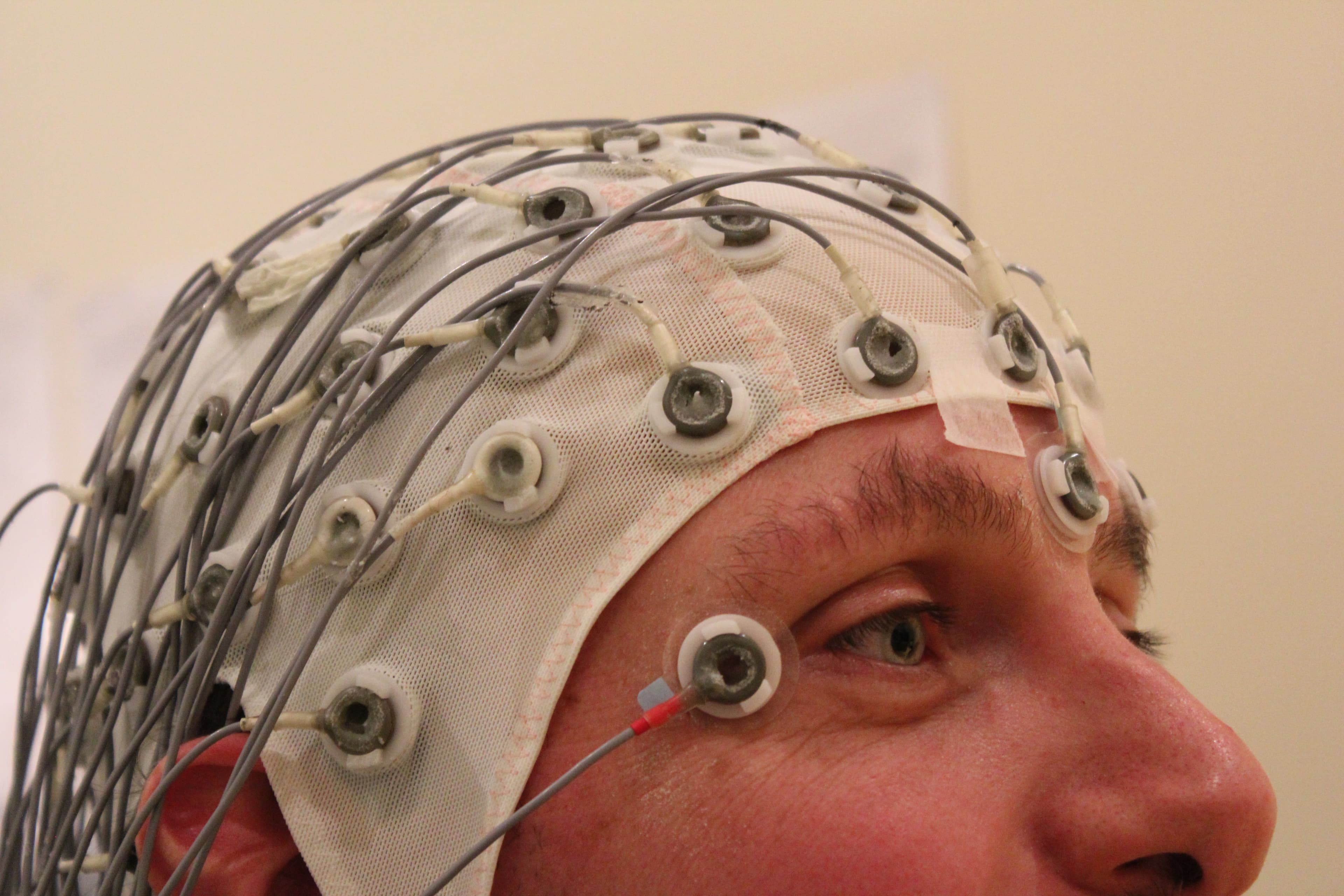
EEG recording cap with scalp electrodes used for complementary observation of brain activity.
Complementary therapies

When needed, other therapies can support the listening work.

Listening therapy remains the foundation. Other supports may be added when they can help the child use gains more concretely in posture, coordination, communication, visual organization, or everyday participation.

How they are positioned

These tools are only meaningful when they serve the child’s real goals.

These therapies are not added for effect. They are chosen selectively to reinforce posture, coordination, rhythm, language, visual organization, communication, motor planning, and family regulation when that extra layer is clinically meaningful.

Giger

Children listen while moving on this reverse-bicycle device. In this clinical tradition, it is used to stimulate prefrontal functions, the motor arc, and the cerebellum. The expected focus is on motor organization, coordination, rhythm, time, space, order, and sometimes mathematical structuring.

Mechanical horse

This device is used to support posture, tone, and balance, and may also help reduce back pain. For optimal benefit in this model, it is paired with auditory brain stimulation rather than used alone.

Bal-a-vis

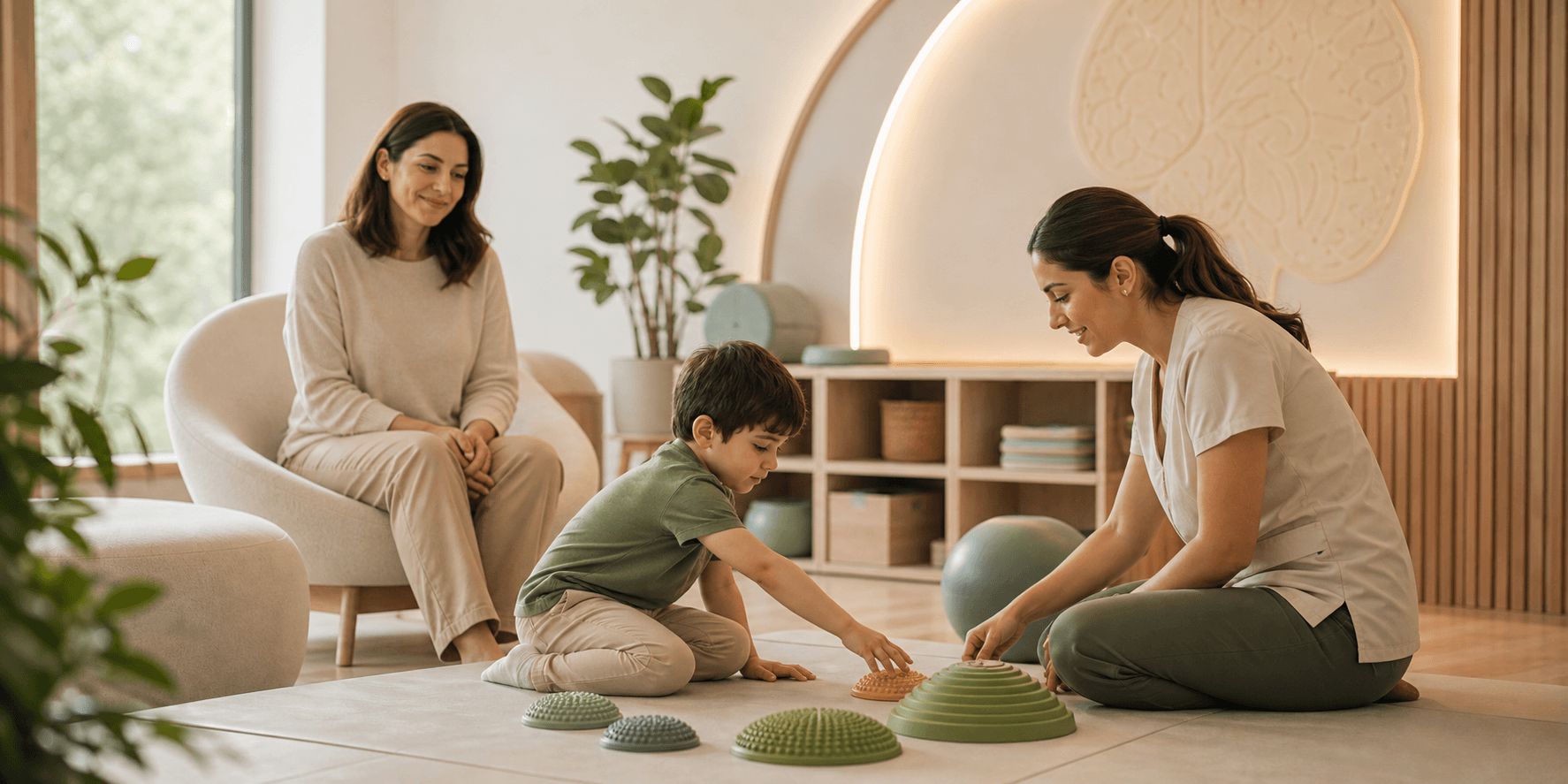
Bal-a-vis exercises are used to train the balance, auditory, and visual systems at the same time. They also aim to support concentration, timing, and hand-eye coordination.

Individual exercises

The center may add targeted one-to-one work such as the letter board to strengthen reading and writing through careful sound analysis and synthesis, the number board for arithmetic and number recognition, oral-motor exercises for pronunciation and muscle control in and around the mouth, and occupational-therapy style work to improve handwriting.

Skywalker

This device is used to train motor memory for a more upright posture and to improve the organization of gait.

C-EYE

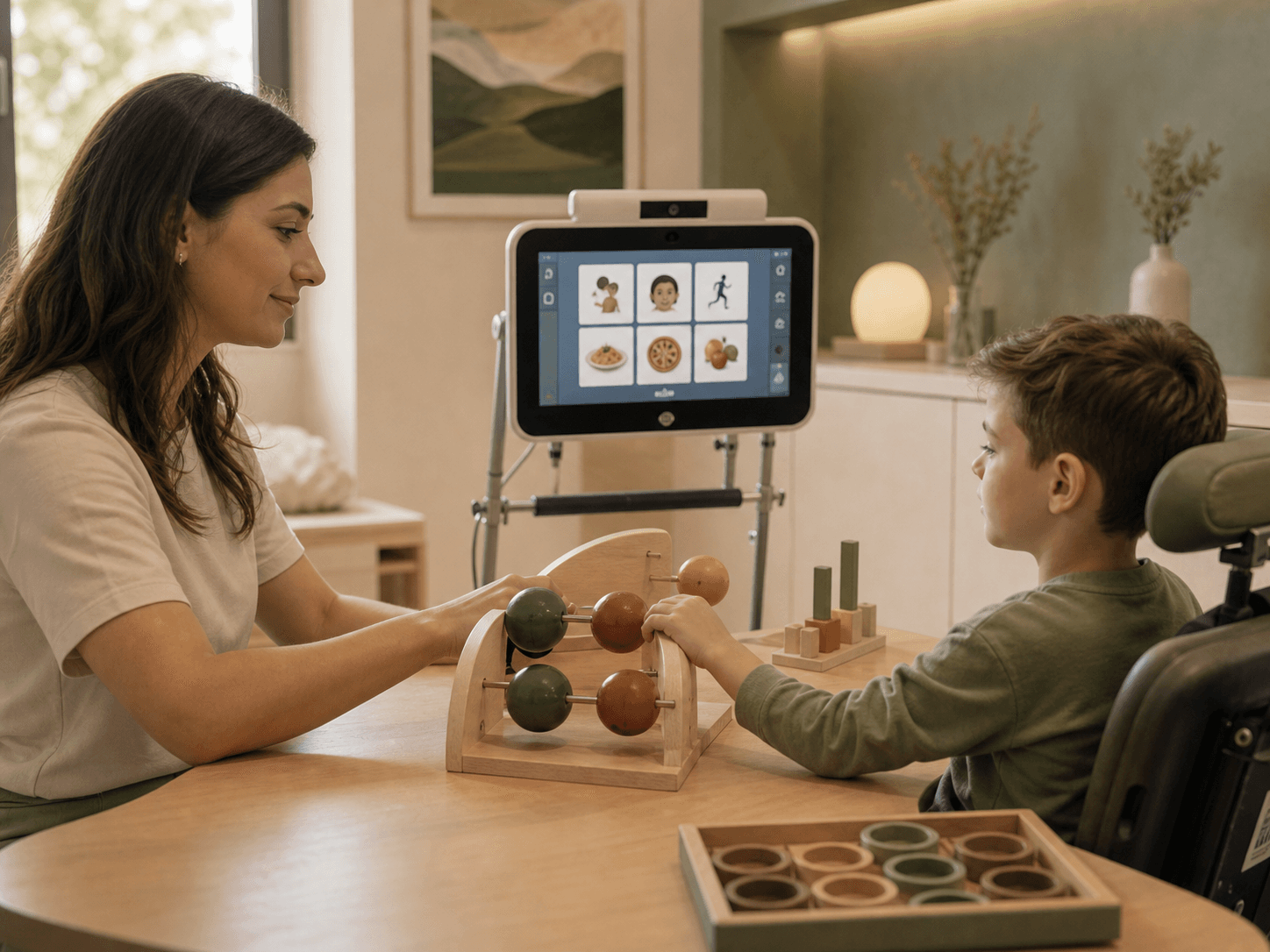
C-EYE stimulates the brain through exercises based on the visual system. Tasks are solved using the eyes alone, and the system may also serve as a communication support for non-verbal individuals.

Supervised parent program

A mother or father may also experience the effects of auditory brain stimulation through a guided support pathway. In this model, the program is integrated into family support and is intended to reduce stress while providing a mental and emotional boost.

A supervised combination, not a collection of gadgets

Not every child needs every support. The team chooses them selectively, explains why they are being added, and keeps them tied to the child’s listening profile, developmental goals, and day-to-day functioning.

Visual-auditory coordination tools and communication support used with a child in therapy.
Foreign languages

For some children, language learning also depends on how the ear opens to a language.

In the Tomatis listening tradition, learning another language is linked not only to memory and teaching, but also to how the ear receives frequency, rhythm, and melody. The idea is simple: before a language is spoken more easily, it often needs to be heard more clearly.

How this is understood

A new language is not only learned with the mind; it is also received through the ear.

As a child grows, the ear adapts to the hearing habits of the mother tongue. In this framework, different languages are said to privilege different frequency bands and temporal patterns. That is why some children or adults may seem closed to a new language at first: they are not only learning vocabulary, they are also learning to hear differently.

The ear and the mother tongue

Ideally, the ear would remain open to a wide range of frequencies and capable of registering many different rhythms. Over time, however, it adapts to the sound organization of the native language, which can make other languages feel less immediately accessible.

Frequency ranges in the Tomatis framework

This clinical tradition describes languages as favoring different bands of auditory perception.

  • English is often associated with roughly 2000 to 12000 Hertz
  • French is often associated with bands around 100 to 300 Hertz and 1000 to 2000 Hertz
  • Many Slavic languages are described as using a broad band between 100 and 12000 Hertz
  • German is often associated with a band between 100 and 3000 Hertz

Rhythm, latency, and spoken expression

In addition to frequency, each language is thought to have its own timing and latency for producing a syllable and hearing oneself. Tomatis also proposed that people can reproduce in speech only the frequencies they are able to perceive, which is why auditory openness is treated as part of language learning.

How the listening program is used

In this model, the brain activator is used to help open the ear to the target language. Specially adjusted programs are meant to familiarize the ear with new frequencies, rhythm, and melodic contours so the person may learn faster and speak with greater ease.

A practical goal, not a promise of instant fluency

At Neuravis, this idea would be discussed carefully and realistically. Listening-based work is not presented as a shortcut that replaces study, exposure, or teaching. It may, however, be used to help the ear become more available to the target language, especially when rhythm, melody, pronunciation, or auditory openness seem to be part of the difficulty.

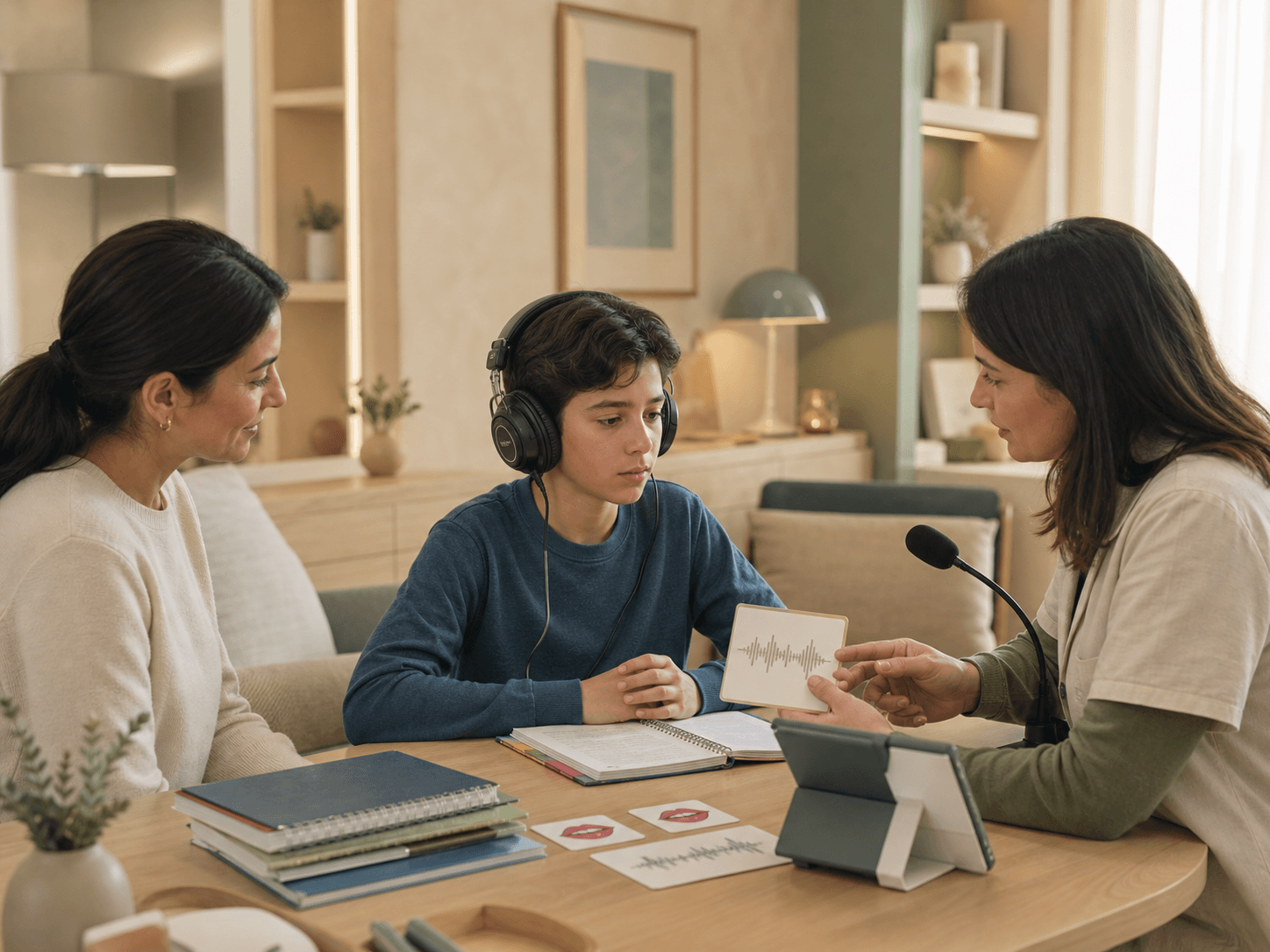
Older child working on listening and foreign-language support with a therapist and parent nearby.

Next step

The next useful step is simply to see whether this pathway fits your child now.

A first evaluation helps determine whether listening-based music therapy is relevant, how it should be paced, and how it can fit with the child’s broader developmental or medical care without adding unnecessary pressure.

Therapies | Neuravis