
APP

Audio-Psycho-Phonology approaches listening as more than hearing alone.

In this clinical tradition, the ear is linked not only to sound perception, but also to balance, posture, body organization, speech, communication, and overall regulation. At Neuravis, this framework is presented in a calm, pediatric, and ethically supervised way, with music remaining the main therapeutic medium.

Therapist guiding a child through a calm pediatric neurodevelopment session.
Audio-Psycho-Phonology

Why do we have two ears? In this approach, the answer goes well beyond hearing.

The ear is seen as part of a wider developmental system. It supports hearing, but it is also tied to balance, upright posture, body control, harmonious movement, speech development, communication, and a broader sense of well-being.

Of all the senses, the ear occupies a particularly important place in this clinical tradition. It is approached not only as an organ of hearing, but as a structure involved in the way a child orients, steadies the body, uses movement, and becomes available for communication.

Professor Alfred Tomatis, the French ear, nose, and throat specialist who founded Audio-Psycho-Phonology, described an interrelationship between the ear, speech formation, the body, and the psyche. His work led to a method intended to support listening-related perceptual difficulties that may underlie a wide range of functional challenges.

Within this framework, prepared sound material such as Mozart, Gregorian chant, and parent-related voice recordings may be used to stimulate and train auditory perception through both the hearing and balance systems. The purpose is not passive exposure to music, but a structured training of listening.

At the center of the method is the Brain Activator, developed from the earlier Electronic Ear. In this tradition, it is used to modulate sound in a way that can help address listening-related difficulties more precisely and support a more organized listening response over time.

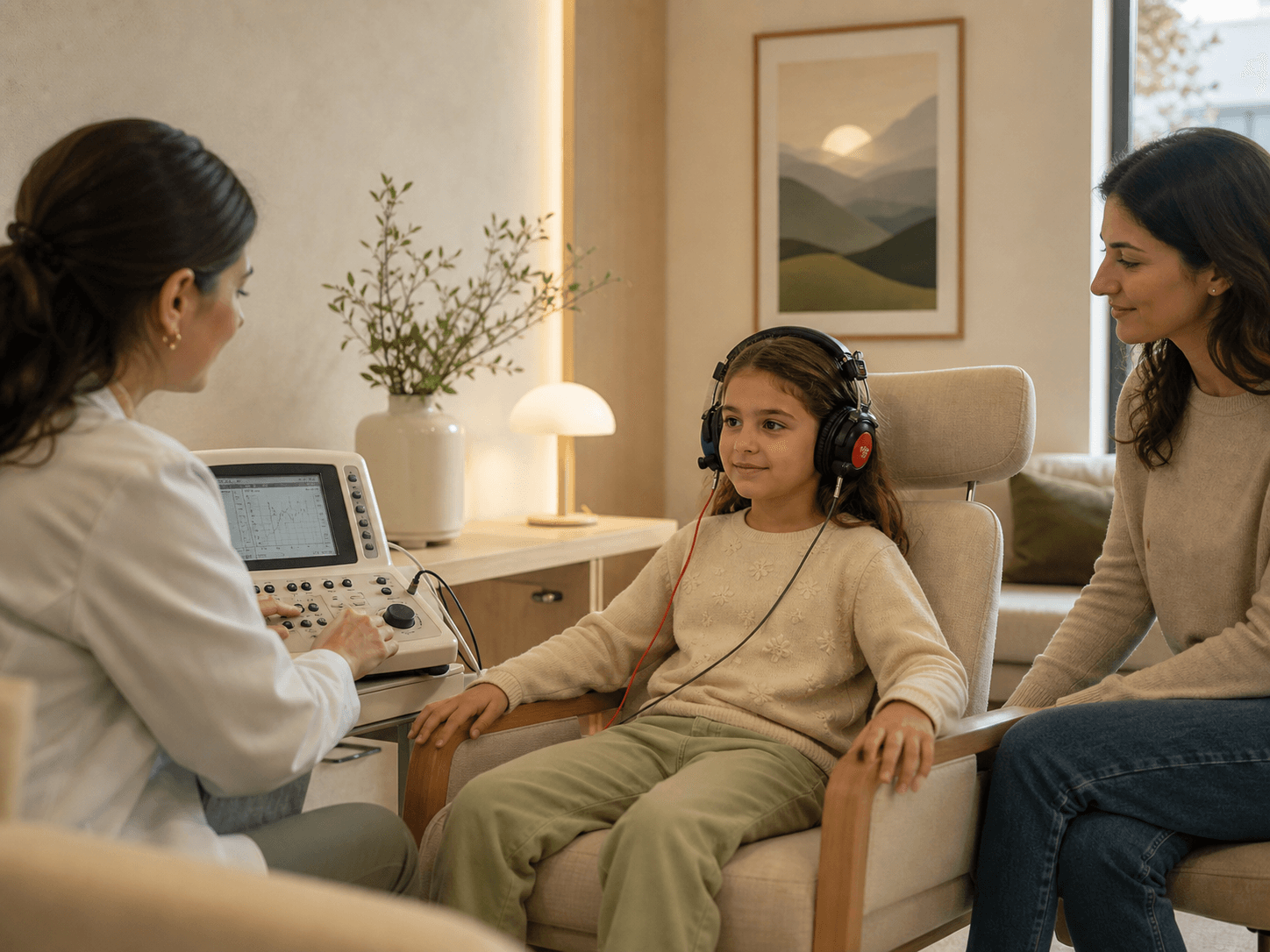
Psychological listening test with a child, clinician, and parent in a calm premium pediatric room.
Listening-based care

The ear is approached as part of hearing, balance, movement, and communication together.

This is why APP is presented not as a narrow technical tool, but as a listening-based framework that touches several foundations of development at once.

Alfred A. Tomatis

A physician, researcher, and pioneer who helped shape the language of listening-based care.

Alfred A. Tomatis was a French ear, nose, and throat specialist and professor of linguistics, born in Nice on January 1, 1920 and deceased in Carcassonne on December 25, 2001. He is remembered as a visionary who explored experimental links between hearing, the psyche, the brain, the voice, and the body.

As the son of an opera singer, Tomatis was drawn early to questions of voice and ear. In his work, the act of listening mattered as much as auditory function itself. He considered listening a basis for communication with oneself and with others, and built an entire clinical language around that idea.

His research led him to found Audio-Psycho-Phonology, a scientific and clinical framework describing the relationship between the ear, speech formation, bodily organization, and psychological availability. He also became known as a pioneer of auditory brain stimulation, which he believed could be applied to a wide range of difficulties involving the brain, nervous system, body, and psyche.

Later scientific work continued to examine questions that mattered deeply to him. A study published by Stanford in 2016, for example, supported Tomatis’s intuition that the mother’s state during pregnancy, and the quality of the voice that reflects that state, may influence the child’s development in meaningful ways.

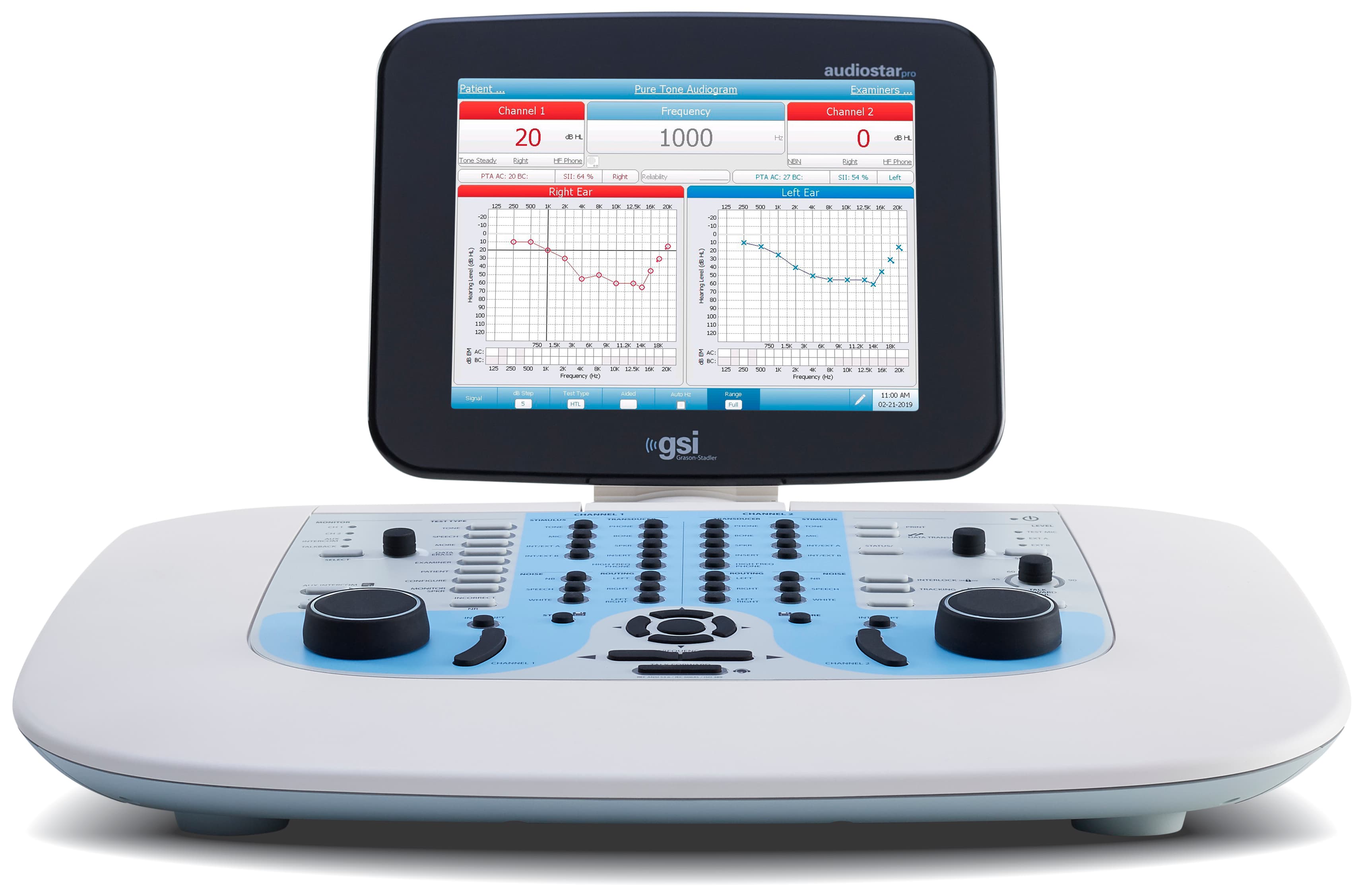
Clinical audiometer used for professional listening assessment in an audiology setting.
Clinical pioneer

Tomatis helped turn listening into a structured clinical field rather than a vague idea.

At Neuravis, his legacy is approached with respect, clinical caution, and the understanding that a serious method must also be explained in language families can trust.

Encounter and transmission

The encounter with Tomatis in Paris marked the beginning of a longer clinical transmission.

When Jozef Vervoort first met Professor Tomatis in Paris in 1972, two images stayed with him: the image of a man with an almost ascetic presence, and the image of a scientist able to infer a remarkable amount from two lines on a sheet of paper, one blue and one red.

That same year, the Vervoort family travelled to Paris with their young son, who had developmental delay linked to oxygen deprivation at birth. The child, his mother, and his father all underwent listening tests, and treatment continued through late 1972, Easter, and the summer of 1973.

At that time, Tomatis directed his own institution, wrote books, continued research on the ear and voice, built new devices, and informally taught doctors, therapists, and educators interested in the principles of Audio-Psycho-Phonology. Once he felt they had learned enough, he gave them permission to practice the APP method themselves.
A legacy shaped by research, controversy, loyalty, and transmission

  • Before 1976, APP could only be practiced under medical supervision. Tomatis’s colleagues later criticized the public visibility of the method, since advertising by physicians was and remains restricted.
  • During the same period, colleagues and even a former employee developed a cheaper device derived from the non-patented Electronic Ear, and a rival group was created, though it lasted only two years.
  • A smaller group remained loyal to Tomatis, including a university in Toronto that later helped fund APP development. During his time in North America, he further explored bone conduction, precession, and new settings and filters for the Electronic Ear.
  • By 1982, remaining followers and newer centers met again in Paris and gained access to Tomatis’s newer research results and devices. From then on, centers continued to open internationally and interest in the method kept growing.
  • Tomatis continued sharing his knowledge through conferences, seminars, and clinical gatherings until 1996. After retirement, and with declining health, he looked for a successor. Jozef Vervoort first declined, then accepted in 1999. In early 2001, Tomatis entrusted him with the writings of his long research life before passing away later that year, just before the opening of the museum in Saint-Trond in 2002.
Foundations

The principles of Audio-Psycho-Phonology connect the ear, listening, development, and psychological life.

This chapter gathers the Tomatis effect, the three Tomatis laws, the place of psychological availability, prenatal hearing, and the broader functions attributed to the ear within this clinical tradition.

What is the Tomatis effect?

Tomatis began his studies and experiments on human hearing in the late 1940s. Through his father, a well-known opera singer, he treated many singers with voice problems and occupational hearing loss. After analyzing both the voice and the hearing frequencies of these patients, he reached a striking conclusion: the frequencies that were poorly heard were also less present in the voice.

To help these patients, Tomatis developed an auditory simulator that allowed him to correct the way they listened, and therefore their voice, through filters and amplifiers. By amplifying the compromised frequencies and having the patient sing into a microphone while simultaneously hearing the corrected voice through headphones, the missing frequencies immediately returned in the voice output.

When the headphones and frequency correction were removed, however, the vocal problems reappeared. This pushed Tomatis to search for what he considered an ideal form of hearing and to build a device capable of conditioning the ear more durably: the prototype of the Electronic Ear.

Scientific recognition

Tomatis’s findings were later examined by the Physiology Laboratory of the University of Paris. Research on the Tomatis effect and Tomatis laws was also published by the Paris Academy of Medicine in 1957 and by the Academy of Sciences in 1960.

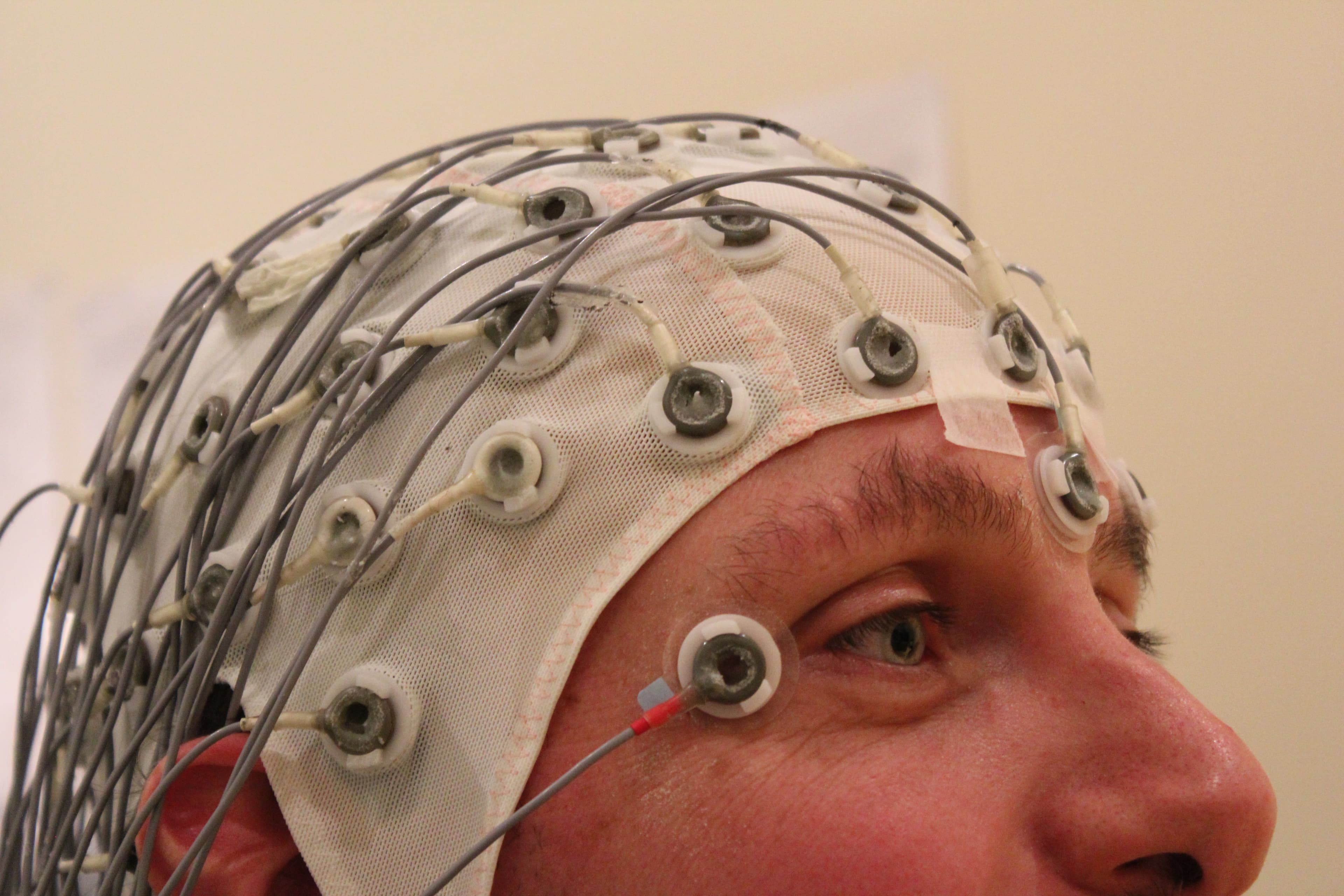
EEG recording cap with scalp electrodes used for complementary observation of brain activity.
Clinical foundations

Listening is approached here as more than sound reception alone.

APP explores how auditory perception may be linked to communication, regulation, posture, and developmental organization within a carefully supervised clinical setting.

First Tomatis Law

The voice contains, as harmonics, only the frequencies that the ear can perceive.

Tomatis observed that a person cannot reliably reproduce in the voice what the ear does not really hear. In this view, vocal expression mirrors auditory perception.

Second Tomatis Law

If the damaged ear is given the possibility of correctly hearing the compromised frequencies, these are instantly and unconsciously restored in vocal emission.

When listening is corrected in real time, vocal output can change immediately. This suggested to Tomatis that hearing and phonation were deeply linked.

Third Tomatis Law

Acoustic stimulation, repeated for a predetermined duration, leads to a permanent change in hearing and therefore in phonation.

With repeated stimulation over time, Tomatis believed the change could become more stable rather than disappearing as soon as the correction was removed.

The psyche directs listening

As his research continued, Tomatis concluded that the psyche plays an essential role in hearing. One of his large studies on occupational hearing loss among pilots and aeronautical mechanics led him to compare not only damaged hearing, but also inner motivation.

Pilots who had hearing loss yet still loved their work showed a different pattern from those who wanted to continue only for financial reasons. The first group showed what Tomatis described as a positive antenna in the higher frequencies, while the second showed a sharply descending end of the curve.

For Tomatis, this suggested a close link between the auditory curve and the psychological state of the person. Over time, this psychological dimension became more and more central in his work.

Therapeutic changes were not limited to hearing and voice. He also observed positive changes in motor organization, posture, and psychological state, which led him to hypothesize that the major characteristics of an individual’s auditory patterns appear very early, even before birth.

Listening begins before birth

Tomatis was one of the early pioneers of prenatal hearing research. In the 1950s he was already claiming that the fetus could hear inside the womb, an idea that was initially mocked by many colleagues.

When does the fetus begin to hear?

Today we know that he was right in placing great importance on prenatal auditory life. The ear, with both its cochlear and vestibular parts, is connected to the brain through the auditory nerve and is the first sense to become fully developed during pregnancy, no later than the end of the fifth month of gestation.

By that stage, the inner ear has reached its final size, making the ear the first sense to send fully structured information to the brain. In this perspective, auditory signals become essential to brain growth and development and help prepare the foundations for later perception.

What does the fetus hear, and how?

In the fetus’s acoustic world, the mother’s voice plays a central role. Because amniotic fluid in the middle ear inhibits the vibrations of the eardrum, the fetus hears almost exclusively through bone conduction. The resonance properties of bone act as a kind of frequency modulator: lower frequencies are conducted poorly, while higher frequencies are amplified.

Through the mother’s spine and pelvis, her voice gains particular strength in the higher frequencies. When the child descends into the pelvis during the last weeks of pregnancy, sound transmission through bone becomes especially effective. In Tomatis’s view, this creates optimal conditions for the maternal voice to be privileged over external sounds such as other voices or music.

Tomatis also argued that the fetus perceives not only the sound, rhythm, and melody of the mother’s voice, but also its emotional spectrum. In this early period, the child does not yet distinguish sharply between self and mother, but experiences a first perceptual unity. Positive, balanced, and reassuring signals may therefore support a first sense of safety, trust, and desire to listen and communicate.

The ear, not only for hearing

In this framework, the ear is connected to balance, posture, movement, time, and energy as well as sound.

When the ear is mentioned, people immediately think of hearing. Yet Tomatis insisted that the ear has other equally important functions that listening therapy also tries to strengthen.

Hearing and listening

The first role of the ear is hearing. APP also focuses on listening: how sound is selected, received, organized, and used consciously in daily life.

Balance, posture, and movement

The ear is linked to balance, upright posture, body control, movement quality, spatial awareness, and coordination through vestibular functions.

Speech and communication

Listening is seen as closely tied to speech development, expression, communication readiness, and the quality of relational exchange.

Energy, attention, and presence

Tomatis described the ear as a source of neurological energy for the brain, helping support attention, activation, and a more awake and present state.

Through the organ of balance, the ear is linked to equilibrium, coordination, muscular tone, eye control during reading, arm and hand organization during writing, upright posture, orientation in space, and the sense of time and rhythm.

Tomatis also compared the ear to a kind of dynamo that converts incoming stimuli into neurological energy for the brain. In his view, the higher frequencies especially have a direct energizing effect and contribute to a more awake, present, and available state of mind.

He also insisted on the distinction between hearing and wanting to hear. Human beings, he argued, consciously hear only what they are ready to hear. Listening therefore becomes an active and intentional process, one that engages attention and expresses a readiness to communicate.

Brain Activator

Mozart Brain Activator

The MBA is the modern successor to Professor Tomatis’s Electronic Ear. It is designed to work with precision in the areas of difficulty identified through the psychological listening test and, when useful, complementary brain mapping.

From the Electronic Ear to the MBA

In the early 1950s, Alfred Tomatis began developing an instrument that could support his therapeutic work on hearing and phonation. In 1958 he presented this device at the Brussels World Fair, where it received a gold medal. Around the same time, during a conversation with a journalist, the name Electronic Ear became attached to the device.

Tomatis then tightly protected this equipment, and therapists trained by him were expected to acquire and use the original material. In the Saint-Trond ecosystem that later became an important reference point for this lineage, the original Tomatis equipment remained in use until around the year 2000.

Why a new generation was developed

Jozef Vervoort, who had also been trained by Tomatis, wanted to extend some of the device’s possibilities, especially for voice-related work and more refined daily clinical use. He first tried to work with the available equipment, then sought technical help to implement new ideas. An early collaboration linked to the University of Limburg did not continue after financial demands and large purchase guarantees were requested.

A later encounter connected the project with a professor from the Ruhr region who taught at the Technical University of Dortmund. Working alongside a final-year student and a company in Witten, the team completed the first Brain Activator in the early 2000s. Before development began in 1999, the main ideas behind the new device had already been discussed with Alfred Tomatis, including a gentler treatment of the narrow 1000 Hz line so other brain areas could also be reached, and a 24-bit sound quality better suited to contemporary therapeutic work.

What changed in practice

The Brain Activator was not developed only for technical reasons. It was also meant to make clinical work more precise, more adaptable, and more usable in everyday therapeutic settings. In this lineage, one often-cited example involved a man who came to Saint-Trond for stuttering support. With a latency setting of 687 milliseconds, the delay between heard and spoken words disappeared and his speech changed markedly.

The generations of equipment preserved through the Mozart-Brain-Lab story illustrate this evolution clearly: from one of the older Electronic Ears built by Tomatis in 1972, to a heavy early Brain Activator prototype full of connections, and finally to devices far better adapted to modern therapeutic practice.

How the Brain Activator is used

In therapy, specialized headphones deliver Mozart, Gregorian chant, or, when clinically appropriate, recordings connected to the mother’s voice. The sound is modified through an electronically controlled amplification and filtering system that reshapes it according to therapeutic aims.

The goal is not passive listening. In this framework, the neurological effect of stimulation is used to support changes in auditory perception and a reorganization of auditory processing in relation to the child’s listening profile and, when it adds useful information, brain mapping findings.

Mozart

Mozart is often used because of the richness, contrast, and vitality of the musical material, which can be helpful in structured listening work.

Gregorian chant

Gregorian chant is used in some phases for its particular melodic and rhythmic qualities within the listening tradition.

Parent-related voice recordings

When clinically appropriate, recordings connected to the parent’s voice may be introduced as part of the listening work in a carefully prepared and highly individualized way.

The Brain Activator

At the center of the method is the Brain Activator, developed from the Electronic Ear. It modulates sound so listening can be trained more precisely than with ordinary playback alone.

An instrument still seen as evolving

In this history, Jozef Vervoort continued to describe the Brain Activator as a device that could still be improved. The ambition was not to celebrate technology for its own sake, but to keep refining therapy so it could serve children and families with greater precision.

A technical heritage, used with clinical caution

At Neuravis, even a sophisticated device is never treated as a stand-alone answer. The Brain Activator is used in a supervised, individualized, complementary, and evidence-informed way, within a broader pediatric pathway rather than as an automatic solution.

MBL APP System

A high-resolution audio system designed to work alongside the Brain Activator.

This system reads 24-bit audio files and offers generous storage for recorded maternal voice material. It was developed so listening-based therapy could rely on more stable, higher-quality playback and easier everyday clinical use.

Why high resolution was considered important

According to Tomatis, high-resolution music plays an important role in therapy. In practical terms, two parameters are usually highlighted when people speak about resolution: bit depth and sampling rate. Standard audio CDs are recorded at 16 bits and 44.1 kHz.

Bit depth describes how much digital information is available to decode the sound signal, while sampling rate describes how many times the signal is stored numerically per second. In this technical view, the higher these values are, the more precise the playback can become.

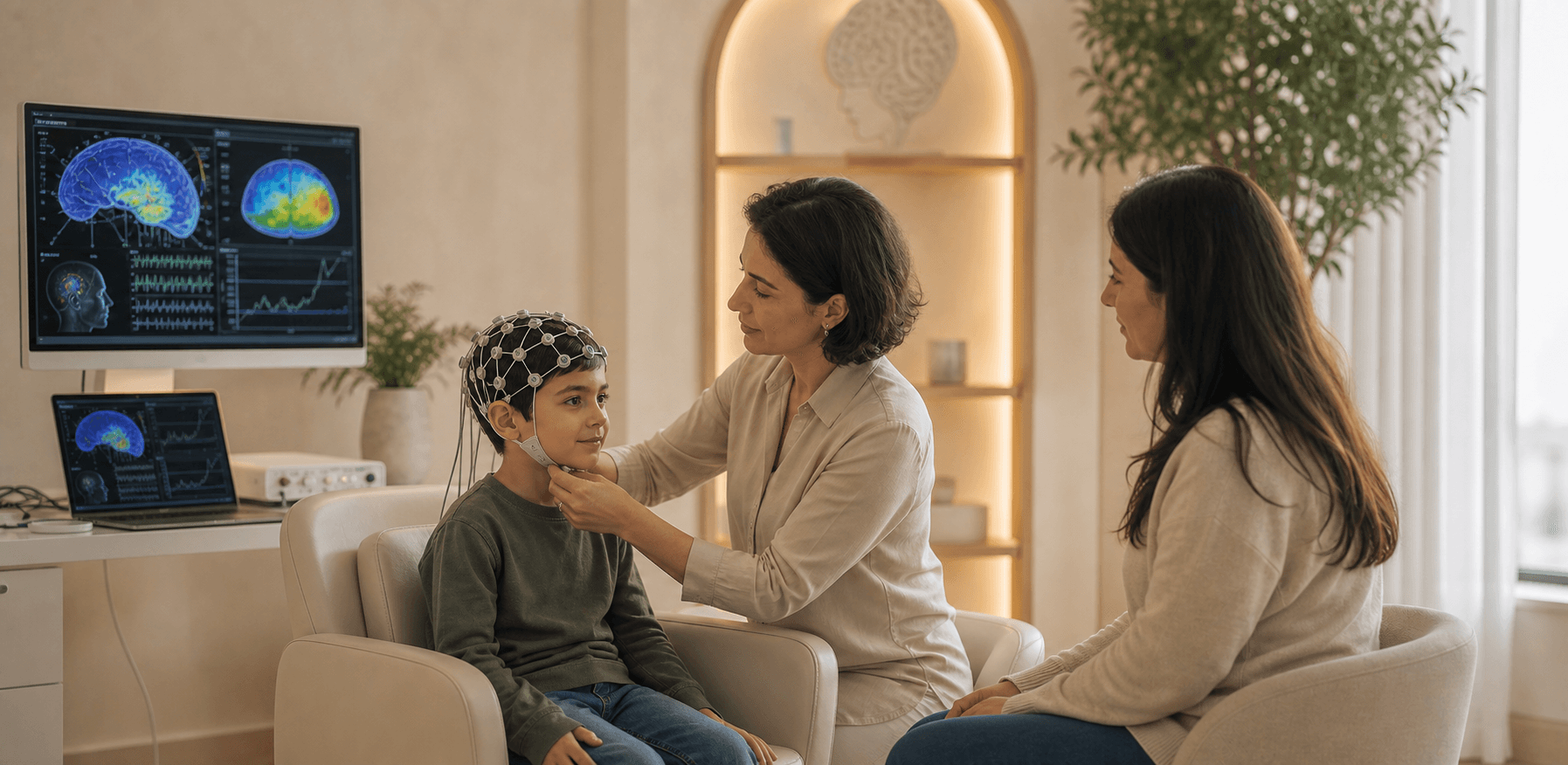
Softly lit brain mapping room prepared for a pediatric QEEG assessment.
High-resolution playback

The listening chain matters as much as the therapeutic intention behind it.

In this lineage, the quality of playback, storage, and file handling is treated as part of the clinical toolset rather than as a neutral technical detail.

16 bits / 44.1 kHz

This is the standard quality of a normal audio CD and serves as a useful reference point for understanding what later systems tried to improve.

24 bits / 48 kHz

For many years, Alesis equipment was used to transfer therapeutic audio at 24 bits and 48 kHz toward the headphones during sessions.

24 bits / 96 kHz

The MBL APP-System 501, introduced in 2011, made it possible to work with the higher 96 kHz sampling rate alongside 24-bit playback.

FLAC and 24 bits / 192 kHz

In the wider HiRes world, extended music files are often stored in FLAC format. An even higher level sometimes cited is 24 bits and 192 kHz.

Before the MBL APP System

For many years, therapeutic tracks were handled with audio devices from the American company Alesis. The music was copied onto an internal hard disk and played from there. One CD contained about half an hour of therapeutic music, while the hard disk in the Alesis units could hold roughly 30 hours of material.

Only a limited number of suppliers offered this level of playback quality. When Alesis stopped developing and producing the Masterlink ML-9600, the need for a new solution became much more urgent.

How the MBL system was developed

The MBL collaborators developed a new audio device intended to work in combination with the Brain Activator. During development, several practical requirements were set: enough storage for large audio files, less dependence on CD playback, readiness for remote diagnostics and updates through the internet, and the ability to record or add new tracks that could be shared by USB.

The MBL APP-System 501, presented in 2011, responded to those needs and even allowed work with the higher 96 kHz sampling rate. In Jozef Vervoort’s discussions with Tomatis, the idea had already emerged that a wider bandwidth might have an even stronger effect. In Tomatis’s own era, only analog playback systems were available, not modern digital high-resolution devices.

From the 501 to the Linux-based MBL APP System

The later MBL APP System replaced the 501 and moved to a Linux operating system. In practice this was considered more stable and more useful for applying the method, especially when working with recorded maternal voice material.

A contextual note often linked to maternal voice work

Within this tradition, the importance of maternal voice during pregnancy is often connected to the Stanford study already cited elsewhere on the site. At Neuravis, this is presented as contextual support for developmental reflection, not as proof that a single device or single intervention explains complex child outcomes.

MBA 2.0

An integrated therapeutic instrument shaped by long-term expertise, innovation, and collaboration.

MBA 2.0 brings together the power of the Mozart Brain Activator with the digital precision and storage capacity of the MBL APP System. In this lineage, it is presented as a complete, professional, and future-oriented therapeutic system.

Built on a continuing clinical lineage

The basis of MBA 2.0 rests on the work of Jozef Vervoort, who developed the concept of the Mozart Brain Activator as an advanced successor to Professor Tomatis’s Electronic Ear.

The system was later refined by Astrid Vervoort, Jozef Vervoort’s daughter, in continuity with the heritage, vision, and quality standards that have shaped MBL for decades. The stated goal was a system that could offer therapists greater control, stronger reliability, and deeper therapeutic possibilities.

Clinical audiometer used for professional listening assessment in an audiology setting.
Integrated system

A more complete instrument for therapists who need both control and reliability.

The aim of MBA 2.0 is not to multiply devices, but to bring together stimulation quality, digital precision, and practical clinical use within one coherent therapeutic environment.

Why playback quality remains central

At the same time, the playback system also evolved. In this tradition, sound quality is considered essential for correctly stimulating the different brain areas involved in listening work. For that reason, MBL chose to work exclusively with 24 bits and 48 kHz.

Compressed formats such as MP3 are regarded as unsuitable in this framework because the loss of quality is believed to reduce therapeutic effect. Over the years, different media were used, including Revox tapes, cassettes, DAT systems, and later 24-bit CDs on Alesis devices. When their production stopped, the need for a durable alternative became unavoidable.

Mozart Brain Activator power

MBA 2.0 keeps the strong stimulation framework of the Mozart Brain Activator and preserves its role as the core active therapeutic engine.

MBL APP digital precision

The system also inherits the flexibility, storage capacity, and digital handling possibilities of the MBL APP System.

A unified instrument

The result is an integrated system that brings these two worlds together in one therapeutic environment oriented toward continuity, control, and future development.

What MBA 2.0 represents in practice

In practical terms, MBA 2.0 is presented as the durable alternative that united powerful auditory stimulation with dependable digital playback. At Neuravis, that history is treated as part of a broader therapeutic culture, not as a promise that technical integration alone can replace clinical judgment.

Literature

Books that help families and practitioners explore the listening tradition more deeply.

These publications offer more context on auditory brain stimulation and the principles associated with Tomatis. The Adventures of Amadeus, linked to the institute mascot, is also part of this reading path.

Recommended reading

The titles below are presented in this tradition as practical gateways into Audio-Psycho-Phonology, music-based listening therapy, and the broader therapeutic culture around the method.

A Guide to the Method of Professor Alfred A. Tomatis

Jozef Vervoort and Astrid Vervoort

A practical guide to the method and its clinical foundations.

Format: Softcover

Languages: English

Price: EUR 27 + shipping

Listening to Live - Our Brain and Music

Martien de Voigt and Jozef Vervoort

A broader reflection on the brain, music, and auditory stimulation.

Format: Hardcover, 214 pages

Languages: Dutch, English, German

Price: EUR 49 + shipping

Why We Have Two Ears

Dr. Jürgen Zastrow

A concise introduction to binaural listening and the wider role of the ear.

Format: Hardcover, 50 pages

Languages: English, German, French

Price: EUR 12 + shipping

The Adventures of Amadeus

Astrid Vervoort

A companion title built around Amadeus, the mascot associated with this therapeutic world.

Format: Softcover, 58 pages

Languages: French, English, German, Dutch

Price: EUR 9.50 + shipping

Studies

Audio-Psycho-Phonology has been discussed across several decades of studies and research.

Below is a structured reading map of some of the research periods and publications most often cited in this tradition.

Research background

Studies are generally presented as the result of scientific work and are usually preceded by long periods of research and documentation.

In this lineage, the development of the method according to Professor Tomatis is often divided into ten major periods.

I. 1952 - 1972

Foundational publications and early Tomatis research

  • Observed incidences in auricular lesions found among industrial test-bench personnel and voice professionals - Bulletin du Centre d’Etudes et de Recherches Médicales de la SFECMAS, September 1952.
  • The musical ear; stuttering; research on pathogenesis; the directing ear; dynamic audiometry; industrial audiometry; correction of the singing voice - 1953.
  • Information on occupational deafness and auditory selectivity - 1954.
  • The Tomatis Effect: relation between phonation and audition, and the possibility of correcting these two essential functions - Professor Louis Longchambon, Les Mélanges 1952-1972.
  • Phonatory modifications of auditory origin and their physiological and clinical applications - Académie Nationale de Médecine, Raoul Husson, June 4, 1957.
  • Les Mélanges - 1972, a collection bringing together fundamental research by Professor Tomatis together with studies, research articles, and surveys on the Tomatis effect and the Tomatis laws.

II. Potchefstroom University, South Africa (1976)

Research on stuttering

  • Research carried out in collaboration with Potchefstroom University, including publications by Professors Jaarsveld and Du Plessis on stuttering.

III. University of Toronto, Canada

Research collaboration and meta-analysis

  • Research collaboration with the University of Toronto, including a meta-analysis by Tim Gilmor.

IV. Tomatis News, 1980 - 1994

Center-based research updates

  • Research developed in collaboration with the centers existing at that time and published in Tomatis News between 1980 and 1994.
  • Documents from periods I to IV are kept at the Professor Alfred Tomatis Museum at Mozart Brain Lab, Stationsstraat 36, 3800 Saint-Trond, Belgium, and draw on 44,000 personal documents from Tomatis and his research team.

V. Schools

School-based applications

  • Euskirchen, Germany: research led by Jozef Vervoort in a Belgian primary school in Euskirchen during the 1974 - 1975 school year, comparing two similar groups of five-year-old children. Strong improvements were reported in children who received one hour of stimulation per day.
  • Europaschool, Genk, Belgium: research directed by Jozef Vervoort in a primary school in Genk.
  • Attention! The Way to Success, Poland, 2014.

VI. La Sapienza University, Rome, Italy - 2014

Voice, color, artistic voice, and tinnitus

  • From the Ear to the Voice and Colour: a study developed with Dr. Carmela Stillitano, examining listening tests, voice analysis, evoked potentials, and the analysis of drawings in relation to stimulation and selected musical material.
  • The Effects of the Tomatis Method on the Artistic Voice - published in the International Journal of Listening, Taylor & Francis Group, July 27, 2016.
  • The Effects of the Tomatis Method on Tinnitus - Stillitano, Fioretti, Cantagallo, Eibenstein; Tinnitus Center, European Hospital, Rome, with Mozart Brain Lab, Saint-Trond, 2014.

VII. Preliminary quantitative study - 2019

Listening test and auditory cognitive evoked potentials

  • Quantitative Effects of Auditory Stimulation according to the Tomatis Method. A Preliminary Study of Correlation between Tomatis Listening Test and Auditory Cognitive Evoked Potentials - Marine de Vandeul, Jozef Vervoort, Jacques Grapperon, Tantely Razfimahéfa, Jean Vion-Dury. Submitted October 11, 2019 via hal-archives-ouvertes.
  • This experiment compared children treated with Audio-Psycho-Phonology to children who did not receive the treatment and reported measurable results in listening tests, auditory evoked potentials, and response delay.

VIII. Attention disorders study - 2019

Der Audio-Psycho-Phonologische Ansatz nach Tomatis bei der Behandlung von Kindern mit Aufmerksamkeitsstörungen

  • Empirische Sonderpädagogik 2019 (No. 1, pp. 81 - 92) - Professor Wolfgang Beelmann and Mareike Kopka, University of Applied Science, Bielefeld, in collaboration with Jozef Vervoort and Astrid Vervoort, MBL. This study pays particular attention to the positive influence on children with ADHD.

IX. Journal of Neurotherapy - 2007

Severe psychomotor and neurological dysfunctions

  • The Improvement of Severe Psychomotor and Neurological Dysfunctions Treated with the Tomatis Audio-Psycho-Phonology Method Measured with EEG Brain Map and Auditory Evoked Potentials - Journal of Neurotherapy, Vol. 11 (4), 2007, by Jozef Vervoort, M.J.A. de Voigt, and W. Van den Bergh MD.
  • This study is presented in this tradition as strong evidence that the method can support clearly measurable psychological and neurological improvements in children with severe disorders.

X. Stanford study - May 16, 2016

Neural circuits underlying mother’s voice perception predict social communication abilities in children

  • Daniel A. Abrams, Tianwen Chen, Paola Odriozola, Katherine M. Cheng, Amanda E. Baker, Aarthi Padmanabhan, Srikanth Ryali, John Kochalka, Carl Feinstein, and Vinod Menon. DOI: 10.1073/pnas.1602948113.
  • Within this lineage, the study is often cited as especially meaningful because it suggests that even meaningless words spoken by the mother activate multiple brain systems, including reward, emotion, and face-recognition networks, and provide a kind of neural fingerprint of social communication abilities in children.

Access and ordering

Studies that are not available online may be ordered from Mozart Brain Lab at copying cost. A number of documents also circulate as PDFs in several languages, including English, French, German, and Dutch.

Continue exploring

See how this listening framework becomes a real therapeutic pathway.

The therapies page explains how listening tests, intensive phases, pauses, adjustments, and complementary supports are organized around the child and family.

App | Neuravis