Audio-Psycho-Phonology in a careful clinical frame
The work is inspired by the listening-based clinical tradition associated with Professor Alfred A. Tomatis, while remaining supervised, pediatric, and ethically positioned as complementary care.
Neuravis was imagined for families who are exhausted by fragmented care, unclear explanations, and the feeling of always having to start over. It is being built as a place where children can be understood carefully, where music-led listening therapy sits inside a broader pediatric framework, and where families remain accompanied beyond the first intensive stay.
A careful beginning, not a rushed answer.
A personalized, complementary pathway held by professionals.
A family experience built around explanation, rhythm, and continuity.
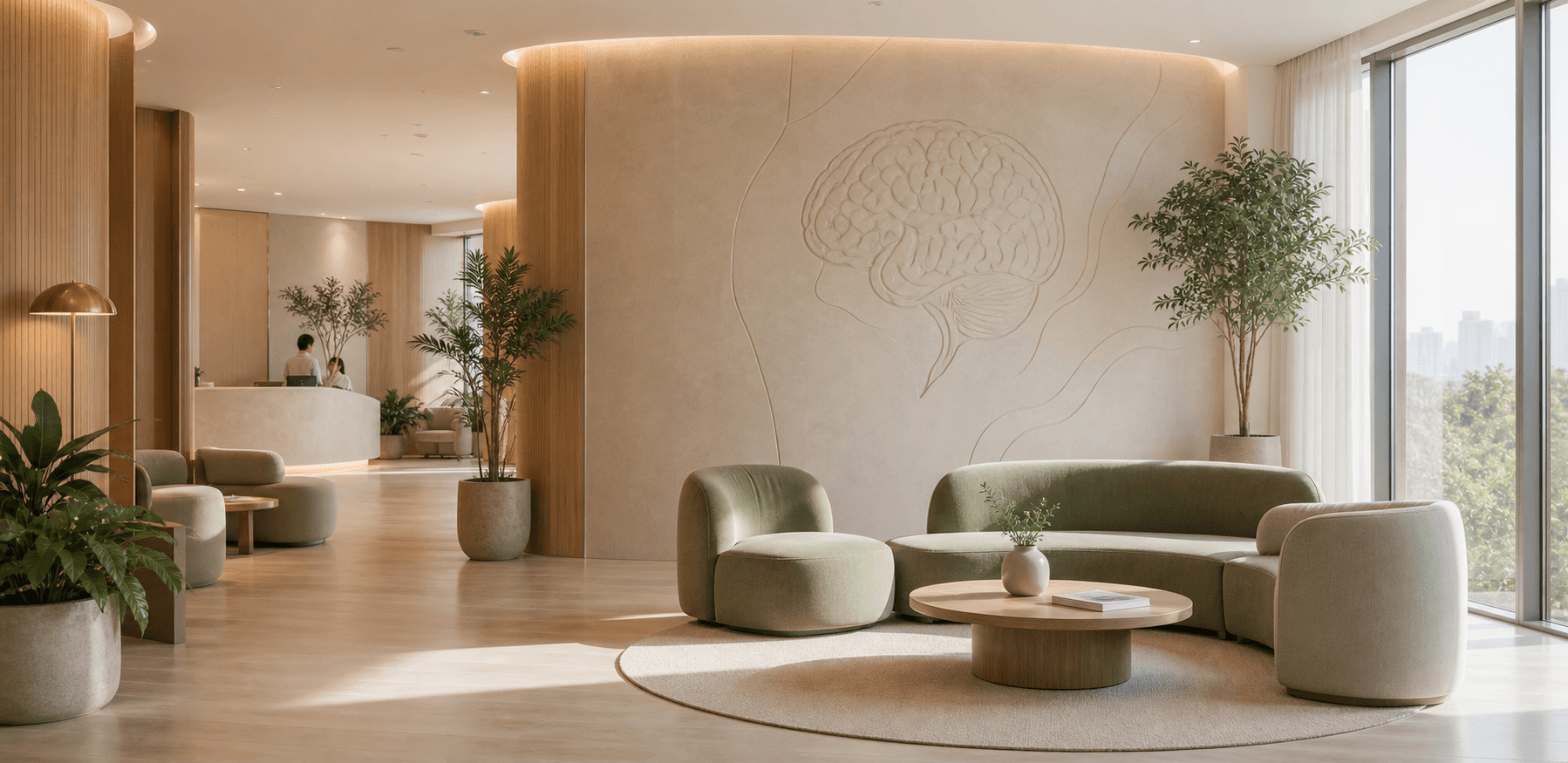
Neuravis seeks to balance scientific seriousness with emotional safety so families can arrive, settle, ask questions, and build trust gradually rather than all at once.
Many families know the fatigue of moving from one opinion to another without ever finding a place that can hold the whole picture. Neuravis was conceived in response to that experience.
The institute is not being built around equipment first. It is being built around the ability to welcome families well, to evaluate children carefully, to explain therapeutic choices honestly, and to organize phases of care that make sense in real life.
That is why the project brings together listening-based therapy, developmental support, family stays, research, and follow-up. These functions belong together because families do not experience them separately.
In that sense, Neuravis is more than a clinic and more than a method. It is a long-term care environment designed to reduce fragmentation and create steadier support around the child.
Neuravis seeks to balance scientific seriousness with emotional safety so families can arrive, settle, ask questions, and build trust gradually rather than all at once.
Rooms, equipment, and logistics matter. But what families rely on most is the less visible layer: clinical judgment, shared standards, careful communication, and a team able to stay coherent over time.
These principles shape both the family experience and the institutional model behind it, from the clinicians and coordinators to the way each phase is explained and reviewed.
The work is inspired by the listening-based clinical tradition associated with Professor Alfred A. Tomatis, while remaining supervised, pediatric, and ethically positioned as complementary care.
Parents receive understandable explanations about evaluation, listening sessions, pauses, daily rhythm, and what the child may be experiencing during therapy.
Therapy is carried by clinicians, therapists, and coordinators who work together around listening, neurodevelopment, regulation, and daily family support.
No method is presented as a miracle. Music-based auditory stimulation is positioned carefully within the child’s broader developmental and medical care.
A clearer path from the first question to long-term follow-up, designed to reduce uncertainty and emotional overload.
Observation, supervision, documentation, and shared standards so expertise can circulate responsibly without losing clinical quality.
Universities, hospitals, diaspora organizations, and clinical partners aligned around careful standards and long-term learning.
A clinical home where care, family stays, research, and follow-up remain connected instead of scattered.
Clinical care sharpens judgment. Research documents learning. Follow-up protects continuity. Together, these functions create a steadier and more trustworthy system for families.
The center brings together first evaluation, therapeutic stays, family guidance, and music-led auditory therapy in one medically serious environment.
A day of therapy is organized around repeated listening work, rest periods, movement, observation, and enough calm for the child to integrate what is being asked.
Because the ear is involved in both hearing and balance, the therapeutic program can support attention, posture, communication readiness, and sensory organization.
Families do not leave with sessions behind them and no map. They leave with explanations, home guidance, and a clearer sense of the next cycle.